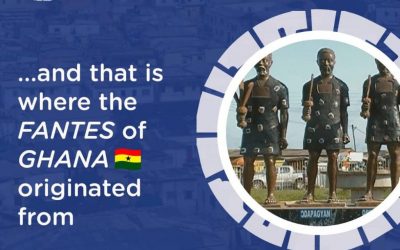
After the Fantes migrated from present day Tachiman to Ɔman Kɛsi mu , Mankessim, led by Obrumankoma, Ɔdapagyan and Ɔson, the Fantes quickly organized themselves into military groups, or companies, called Asafo, to defend themselves from non-Akan groups in the vicinity, as well as separate Akan groups – most notably the Ashanti in later centuries. Tradition has it that the Fante sub-groups Ekumfi, Abora, Enyan, Nkusukum and Kurentsir were the first to settle Mankessim. They were later joined by the Gomoa, Ajumako, Akatakyi and the Edina. Each Asafo had their shrines and flags with specific emblems.
In Capecoast (Oguaa traditional area), there are traditionally seven asafo companies: Bentsir, Anaafo, Ntin, Nkum, Brofomba, Akrampa and Amanful. Each company is headed by a superior captain (Supi) and under the Supi is a captain (safohen). The Tufuhen (master of arms) is the leader of the asafo companies and is regarded as the General Captain with responsibility for giving orders and directing affairs if war breaks out. The asafos feature largely in the Fetu Afahye festival of Cape Coast, held annually on the first Saturday of September.
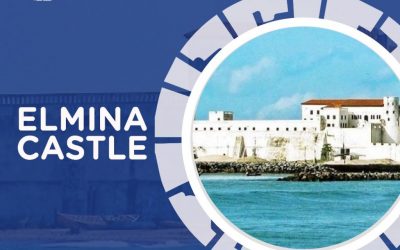
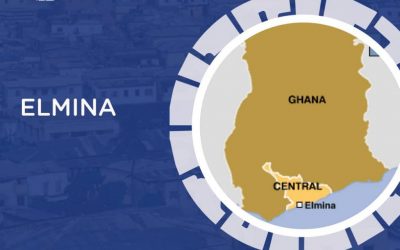
In Elmina, Asafo companies emerged in the early 18th century out of the wards of Elmina that had existed since at least the 17th century.
In 1724, when the Dutch needed the help of the Elminese to oust John Canoe from Fort Groß Friedrichsburg, they organized the wards into rank order, with each ward having a number and an established military formation. It was this occasion which gave rise to the domination of Asafo companies in the socio-political life of Elmina, and of the ten Asafo companies existing today, seven are mentioned in 1724.
In the 19th century, three Asafo companies were added to the existing seven:
- No. 8 Brofomba
- No. 9 Maa wore
- No. 10 Akrampafo
No. 8 Brofomba consisted of refugees from Eguafo and Simbo, who fled to Elmina during the Fante War of 1810. No. 9 Maa wore consisted of the descendants of the slaves who had worked for the Dutch West India Company and who were collectively dismissed in the early 19th century. No. 10 Akrampafo consisted of free burghers (Dutch: vrijburgers). This company comprised mulattoes who were considered equals to the European officers, and who often worked in the lower ranks of the Dutch administration. This company elected the burgomaster of Elmina.
#DiscoverCentralRegion
#YearOfReturn
#Ghana ??